
Artisan Ink
June 16, 2026
Yes — getting a tattoo in Thailand is safe. With an important qualifier: it depends entirely on where you go and what standards that studio actually operates to. Thailand has some of the most talented tattoo artists in the world. It also has studios where I would not let anyone I cared about sit down. The difference between them is not always obvious from the outside. That's worth understanding before you book anything.
I'm going to give you a practical, honest rundown of what safety actually means in a tattoo context, what to look for in a studio before you commit, the red flags that should make you walk away, and why aftercare in a tropical climate requires more attention than most clients expect. None of this is designed to alarm you. It's designed to help you make a genuinely informed decision about something permanent.
What Tattoo Safety Actually Means
The risks associated with tattooing are real but manageable. They include bloodborne pathogen transmission — hepatitis B, hepatitis C, HIV — bacterial skin infections, allergic reactions to inks, and scarring or ink loss resulting from poor technique or compromised healing. Every single one of these risks is dramatically reduced by working with a studio that maintains proper sterilisation protocols, uses quality materials, and employs artists who know what they're doing.
The risk is not inherent to Thailand. It's inherent to the practice. The same risks exist in poorly run studios in London or Los Angeles. What matters is the specific studio in front of you — not the country it happens to be in.
"The question isn't whether Thailand is safe for tattoos. The question is whether the studio you're considering is."
What Professional Hygiene Looks Like
Before booking any studio anywhere in the world — and particularly when you're travelling and can't rely on word-of-mouth from people you trust — know what proper hygiene actually looks like so you can verify it with your own eyes.
Single-Use Sterile Needles
Every needle used should be single-use and opened from sealed sterile packaging in front of you. Not a package that's already been opened. Not a needle "from a fresh batch." You should see the sealed packet, and you should watch it be opened for your session. This is non-negotiable. Reused needles are the primary vector for bloodborne pathogen transmission in tattooing.
Single-Use Ink Caps
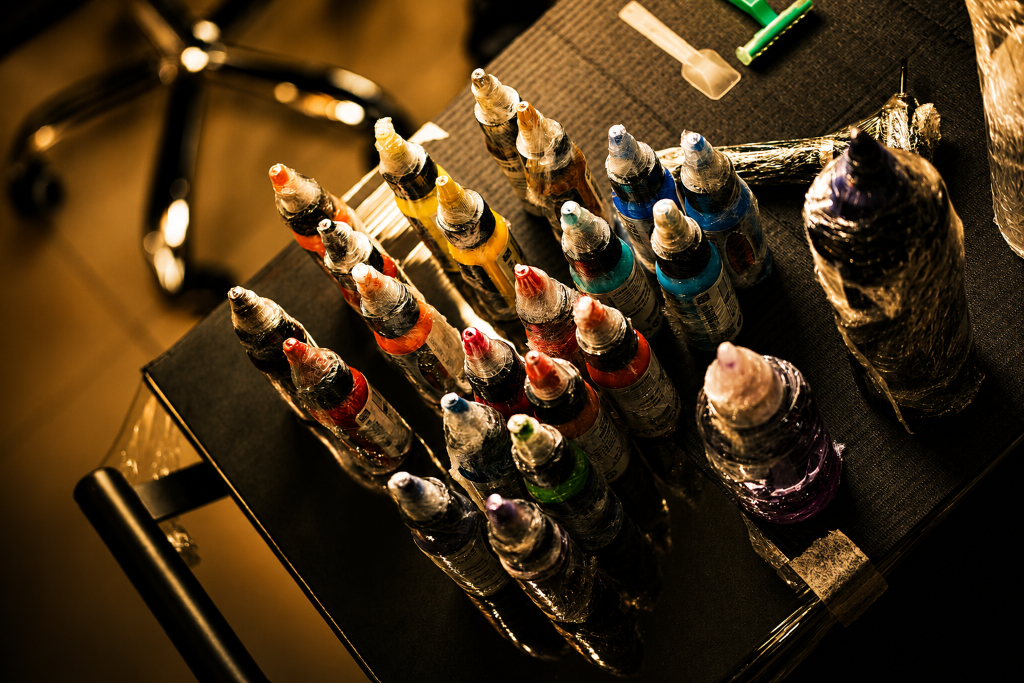
Ink should be decanted into small disposable caps for each individual session. Those caps are used for you and discarded. Ink should never be shared across clients, double-dipped from a shared container, or poured back. Cross-contamination through shared ink is a real and documented risk that reputable studios eliminate entirely.
Surface Sterilisation
The workstation, the arm rest or chair surfaces that contact the client, the bottles and equipment used during a session — all of it should be cleaned with medical-grade disinfectant between every client. A professional artist sets up a fresh sterile field for each client. If the station you're sitting at looks like it hasn't been wiped down, it probably hasn't.
Gloves and Cross-Contamination Prevention
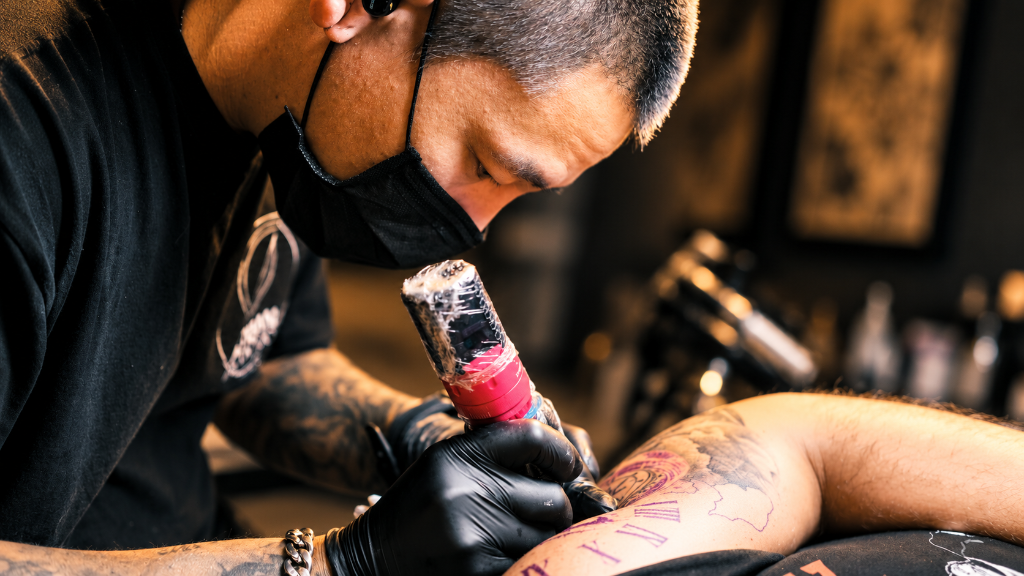
Your artist should be wearing gloves throughout the session and should change them if they touch any non-sterile surface. Hands are a contamination vector even when washed. The discipline of cross-contamination prevention — not touching your phone with gloved hands, not adjusting equipment and then returning to the skin — is a habit that separates trained professionals from those who have picked things up informally.
Ink Quality
Premium imported inks from reputable manufacturers are formulated and tested to standards that unbranded or low-cost alternatives are not. Quality inks are less likely to cause allergic reactions, hold color more reliably, and age more gracefully. At Artisan Ink, we use only high-grade imported pigments — not because it makes a good marketing line, but because it genuinely affects both safety and longevity.
The Red Flags Worth Walking Away From
You don't need to be a tattoo professional to spot a studio with poor standards. Here's what to pay attention to:
- Needles not opened in front of you. If you don't see the sealed packet opened for your session, ask. If the answer is dismissive or evasive, leave.
- A disorganised, visibly dirty workspace. Clutter and grime are not aesthetic choices — they reflect how the studio approaches everything. A clean physical environment is the baseline minimum of professional operation.
- Inability or unwillingness to answer hygiene questions. A professional studio will answer every hygiene question you have, calmly and specifically. Irritation, deflection, or vague reassurance is a signal.
- Very high volume, very low prices, no appointments. There are exceptions — some busy studios are genuinely excellent. But the combination of all three often indicates a model built around throughput rather than quality. High volume and premium hygiene are difficult to maintain simultaneously.
- No consultation, no discussion, just "what do you want?" Reputable custom studios begin with conversation. A studio that skips directly to putting ink on your body without understanding your idea, assessing placement, or discussing the design is not doing custom work — whatever they're calling it.
- Visible reuse of equipment. If you see anything being rinsed and reused that should be single-use — needles, cartridges, ink caps — you are in the wrong place.
Artist Experience and What It Protects You From
Hygiene is about preventing external contamination. Artist skill is about preventing the damage that comes from poor technique. Ink pushed too deep causes blowouts — ink bleeding beyond the intended line that is permanent and unfixable. Ink pushed too shallow won't hold in the skin and creates patchy results that need rework. Incorrect needle angles, inconsistent depth, overworking the skin — all produce outcomes that a client lives with forever.
An experienced artist has the muscle memory and judgment to work consistently, adapt to different skin types, manage discomfort proactively, and make sound decisions about pace and pressure throughout a session. This isn't something that can be replicated by someone who learned to tattoo two years ago from YouTube tutorials. Skill has a real safety dimension that's separate from hygiene.
Take the time to look at a portfolio across multiple pieces and multiple clients. Consistency is what you're looking for. One great photo is easy to cherry-pick. Consistent quality across dozens of pieces on different people is the sign of a trained hand.
Browse our gallery to see the breadth and consistency of work our artists produce.
Why Aftercare Matters More in Thailand
This is the part that doesn't get enough attention in most safety conversations — and it's the part most relevant to tourists and travellers getting tattooed in Southeast Asia.
Getting a tattoo is a wound. A controlled, intentional wound made by someone who knows exactly what they're doing — but a wound nonetheless. The healing phase typically runs two to four weeks, during which the skin is vulnerable in ways that an ordinary lifestyle might never expose. Travelling in Thailand amplifies most of those vulnerabilities.
Heat and Sweat
Thailand is hot, and sweating is constant. Sweat is not sterile. Persistent moisture on healing skin — particularly around the tight scab layer that forms in the first days after a tattoo — creates conditions for bacteria to proliferate. Keeping the area clean and dry requires genuine effort in a tropical climate. This isn't a reason not to get tattooed here. It's a reason to take aftercare seriously and follow guidance specifically adapted to the environment.
Sun Exposure
Direct UV exposure on a fresh tattoo causes real, lasting damage. UV radiation breaks down ink pigments before they've fully bonded with the dermis — reducing clarity, affecting vibrancy, and in some cases causing uneven healing. Thailand's sun is intense. Cover fresh work fully. Clothing is more reliable than sunscreen on broken skin during the active healing phase.
Swimming
No pools. No sea. No rivers. No hot tubs. A freshly tattooed area should not be submerged in water for a minimum of one to two weeks, and longer for large or complex pieces. This is difficult advice for people on a beach holiday in Thailand — which is exactly why it's worth planning your tattoo for the right point in your trip. Our complete visitor guide covers this in detail.
Choosing the Right Studio in Thailand
Research is the most important thing you can do before getting tattooed in any country you're visiting. Read reviews across multiple platforms — Google, TripAdvisor, and platform-specific tattoo review sites — and look for specifics. Reviews that mention the artist by name, describe the hygiene they observed, and comment on the consultation process are more reliable than generic five-star write-ups.
Look at the studio's actual portfolio rather than their social media highlight reel. Can you find consistent quality across many different pieces? Can you see healed work, not just fresh tattoos? Does the work hold up in detail, or is it impressive only at a distance?
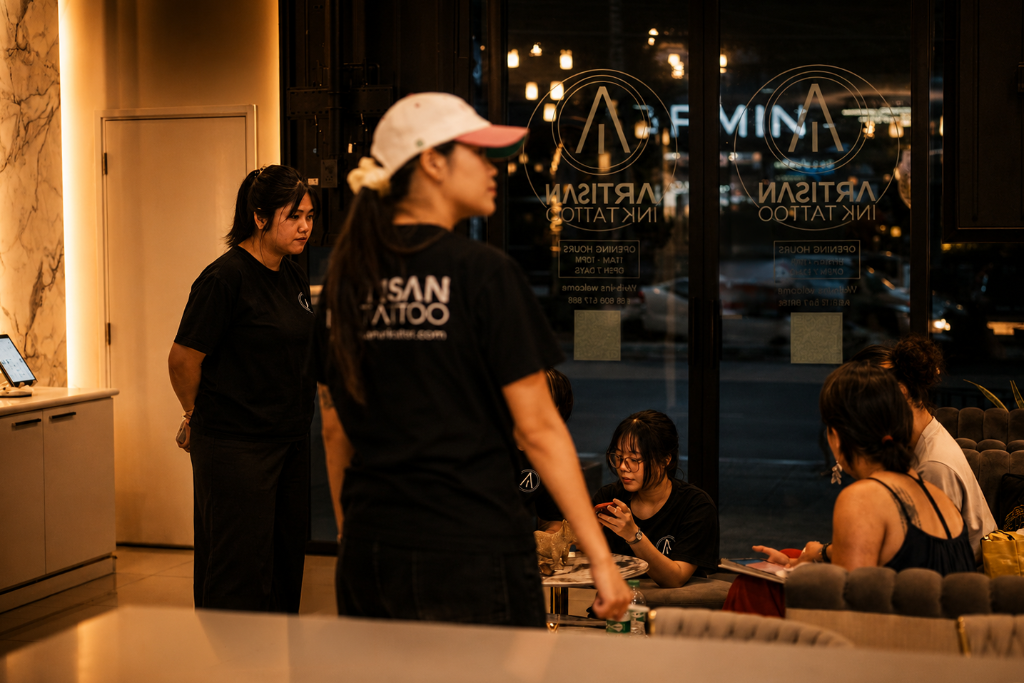
At Artisan Ink Tattoo Studio in Chiang Mai, we're happy to answer any questions about our protocols, our artists, and our approach before you commit to anything. That's not an unusual request to make of a serious studio — it's exactly the kind of due diligence we encourage.
Questions about safety before you book?
Reach Out to Artisan Ink →FAQ
Is it safe to get a tattoo in Chiang Mai specifically?
Yes — at the right studio. Chiang Mai has some of Thailand's most respected tattoo artists and several studios that operate to full western-standard hygiene protocols. As with anywhere, the quality varies significantly. Research before you commit.
What should I ask a tattoo studio before my appointment?
Ask about needle sterilisation (single-use, opened in front of you), ink sourcing, surface sterilisation procedures between clients, and the artist's experience with your chosen style. A reputable studio will answer all of these without hesitation.
Can you swim after getting a tattoo in Thailand?
Not for one to two weeks at minimum — and longer for large pieces. Pool chemicals, saltwater, river bacteria, and prolonged submersion all pose real risks to a healing tattoo. Plan your trip around this.
What are the risks of getting a tattoo abroad?
The risks are the same as getting tattooed at home — infection, allergic reaction, poor technique — plus the added factor of healing in an unfamiliar environment. Both are manageable with the right studio choice and proper aftercare discipline.